Understanding your dog's behavior is the first step to effective training.
And when it comes down to it there's only one thing that you need to know about your dog's behavior: dogs always act in ways that work for them.
By recognizing what your dog gains from their actions, you can teach or stop any behavior effectively. Let’s dive in and learn how to turn this insight into practical training strategies!

🎧Like to listen?
Check out my Your New Puppy's Podcast episode on this same topic.
Dogs do what works for them
And they don’t feel bad about it.
Like every animal, your dog is motivated to seek out resources. When they find something that gives them the resource or "reward" they want they will repeat the behavior.
This is why positive reinforcement works so well. It's how our dogs naturally learn. If they are rewarded for a behavior, they will most likely repeat it.
Unfortunately, this can also work against us if we are not paying attention.
What motivates your dog's behavior?
Dogs are motivated by one four reasons:
- Food.
- Attention (positive or negative).
- Releasing excess energy.
- Relieving boredom.
These aren’t the only reasons, but they represent the vast majority of reasons. Therefore, these motivations should be the first ones you consider when analyzing your dog’s behavior.
We can also think of these as rewards whether they are intentional or not.
Once we understand the motivations behind your dog's behavior - how they are being rewarded- we can start to change it.

How do we change your dog's behavior?
Ok so now we know that our dogs do what works for them, and they don't feel bad about it. We also have a good idea of what motivates and rewards them.
How do we use this information to change our dog's behavior?
The good news is you probably already have!
When teaching a new skill, behavior, or habit, using rewards (often treats) creates an incentive for your dog to perform the behavior again. In other words, the behavior works for your dog.
For example, if your dog sits and gets a treat, they’ll continue sitting because it’s rewarding.
Unfortunately, this also works when we don't want it to.
Our puppy will continue to whine in the crate if they know it gets them out and playing with their human (attention).
Our dog will continue to pull on the leash because they think it moves the walk forward, and usually faster (releasing energy)!
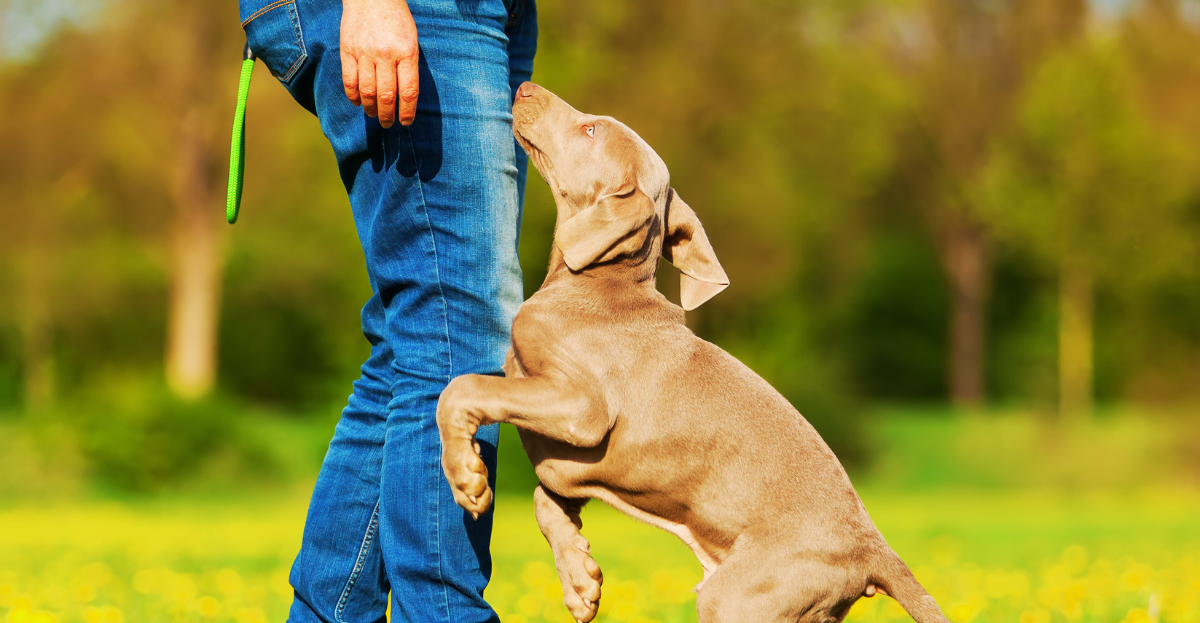
Our dog will jump on our guests because they get attention when they do.
When our pup gets bored and barks at us, if we get up and feed or play with them, guess what they'll do next time they want a little attention.
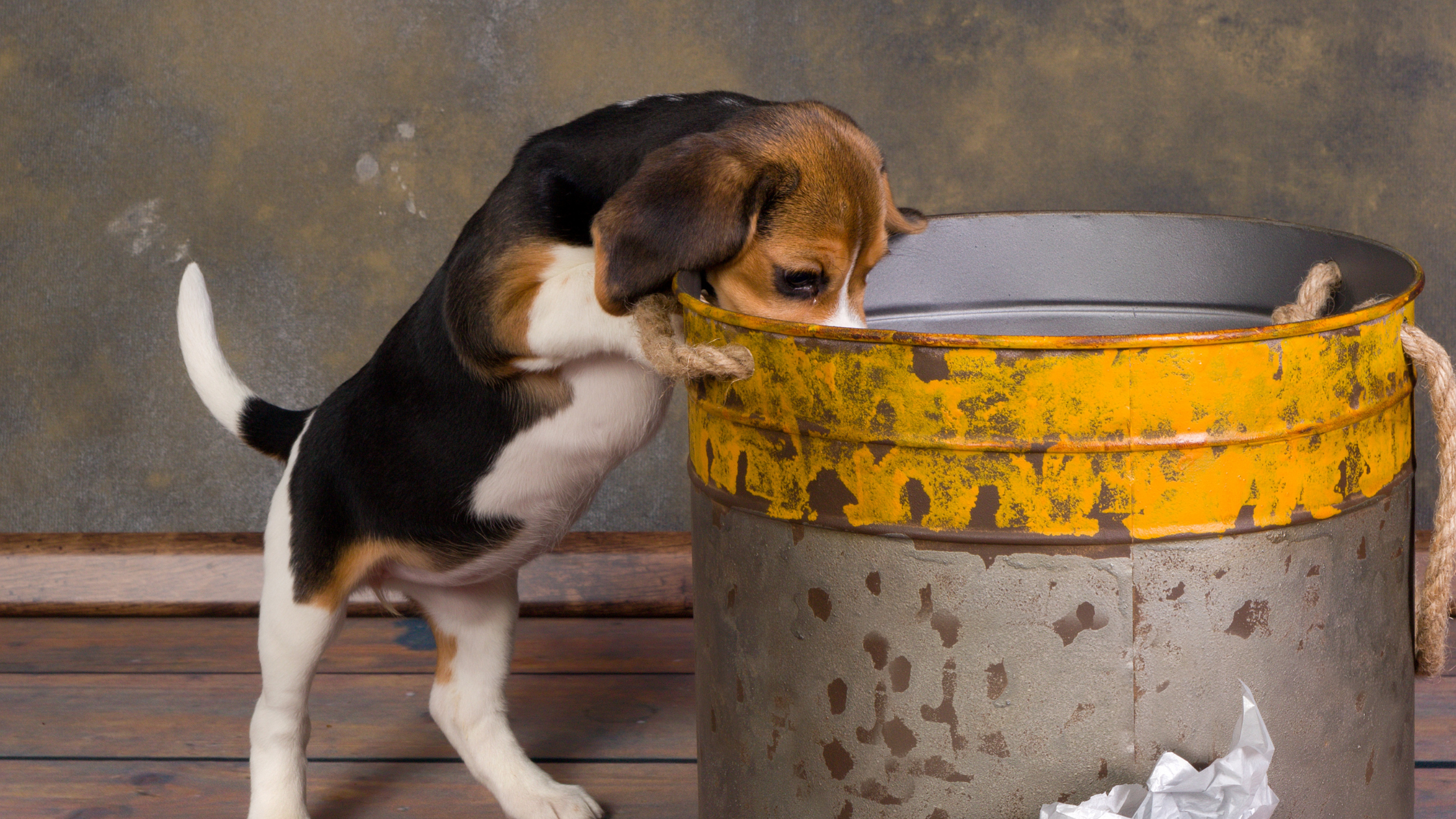
If our dog jumps on the counter and gets that loaf of bread, guess what their gonna do then next time they're in the kitchen!
My Three Step Process
Whenever I'm working with a client and we want to change an unwanted behavior, I use three steps to come up with a plan
- Figure out what is motivating the behavior. What is the dog getting out of it?
- Decide how to can stop the unwanted behavior by removing the "reward".
- Create an appropriate behavior that will give the dog the same or better "reward"?
Here are a few examples to illustrate this.
Jumping on guests:
- Your dog enjoys the attention they get when they jump up on the guests. Even when you push them down or say "no" your dog sees it as attention.
- We can remove all attention by asking our guests to ignore our dog when they come in. We can also use a barrier (gate or leash) to eliminate the possibility of accidental attention (and for our guest's comfort!).
- Tell our guests once your dog is calm and four paws are on the ground they can give them some calm attention.
Leash Pulling:
- Your dog pulls on the leash whenever they want to sniff a tree on a walk (releases energy and relieves boredom).
- We can remove the reward of sniffing the tree which entertains them. Whenever our dog starts to pull us toward a tree, stop the walk or walk in a different direction.
- When our dog is walking nicely and not pulling, we can walk them over to the tree and let them sniff to their heart's content.
The hardest part: consistency is crucial—every time your dog exhibits a behavior, ensure your reaction is the same.
So here's some good news:
We can use this knowledge to increase the positive behaviors we love to see from our dog.
- When your pup picks up their toy to play with (instead of your shoe) go over and play with them! We just made picking up their own toy the rewarding behavior by giving them extra attention.
- When they are resting nicely on their bed. Give them some extra love or even a little treat. If all I had to do was lay on a bed to get extra attention and treats, I'd do it ALL the time!
- If they come over and sit nicely at your feet give them a scratch before they have a chance to jump up to get some of that (probably negative) attention.
Take a break and play A fun game with the whole family
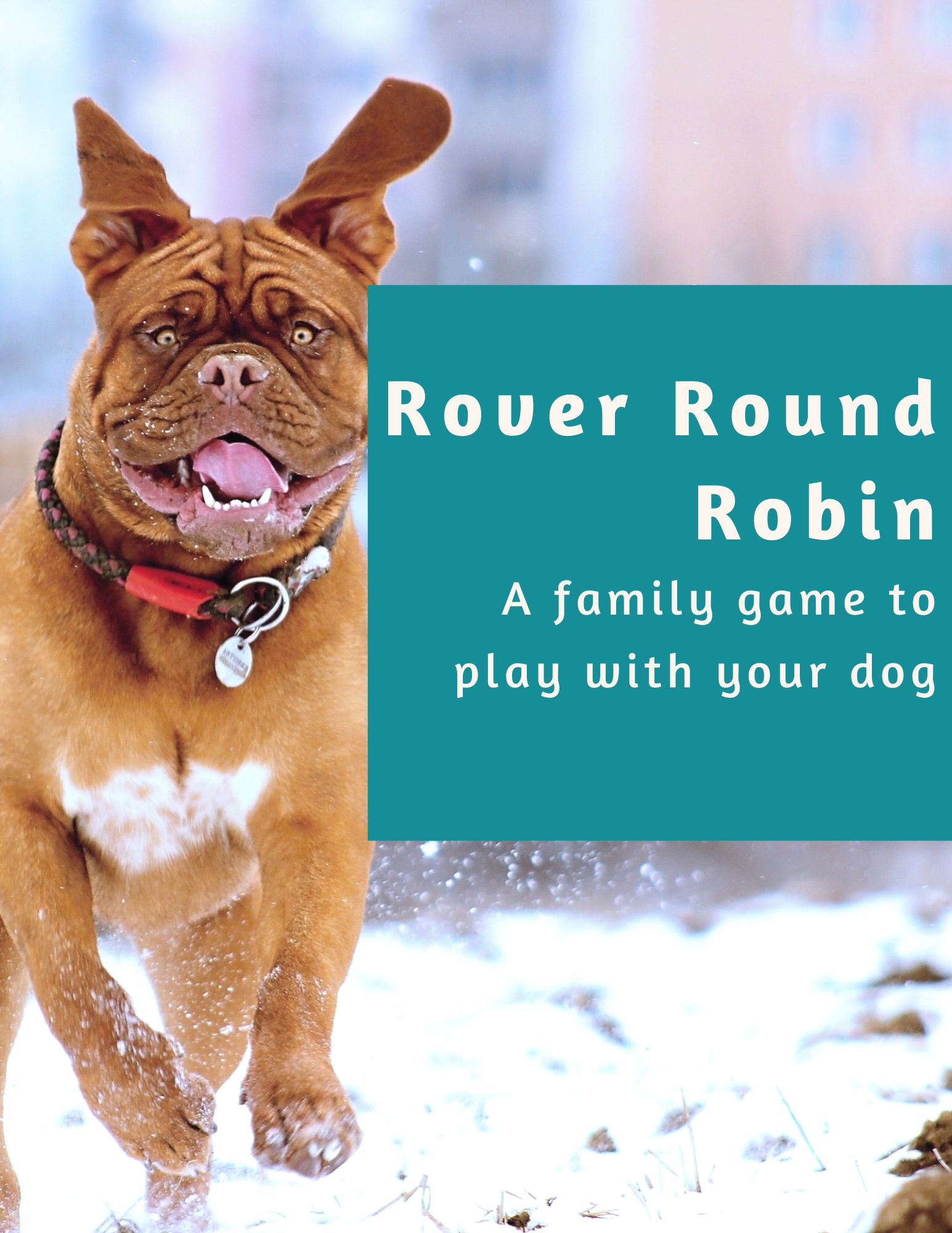
Learn how to play my favorite training game. It reinforces coming when called, it will tire your puppy out, and create bonding time for the entire family.
Learn the steps to play with your pup and to turn up the challenge and create new games once they get the hang of it!
Let's wrap it up
Dogs do what works for them. Our job is to make the good behaviors work and the bad behaviors do not work for them.
Is this a simplified version of changing a dog's behavior? Yes, it's often a little more complicated because their environment, the behavior of the humans around them, and your dog's natural personality play into all of this.
But it's the best place to start. The more we practice seeing the world through our dog's eyes the better we can understand and communicate with our pups!
This makes raising our dog more intuitive and enjoyable.